
Architectural Frameworks for Distributed Networks.
At Southern Node Research, we investigate the structural integrity of data systems that underpin global node infrastructure. Our work centers on creating resilient, low-latency environments that maintain data sovereignty in increasingly decentralized landscapes.
Modern Node Research and Systemic Reliability
The current demand for high-availability systems requires more than simple redundancy. We analyze how different node configurations handle state synchronization under heavy load and varying network conditions.
Primary Research Objective
To develop a standardized metric for measuring data system coherence across diverse geographic locations without sacrificing the latency advantages of localized edge nodes.
Hierarchical Node Distributions
Every data system we audit starts with an analysis of its topology. We examine the relationship between root nodes and leaf nodes to ensure that single points of failure do not compromise the wider network. Our research indicates that hybrid mesh-star formations offer the best balance between speed and durability for Australian infrastructure needs.
State Persistence Frameworks
Persistence is the cornerstone of reliability. We test various ledger technologies to determine how they interact with physical hardware nodes. By simulating extreme packet loss, our lab identifies which systems maintain internal consistency and which risk data corruption during unexpected outages.
Standardizing In-Node Messaging
The efficiency of systems relies heavily on how nodes communicate. We specialize in optimizing gossip protocols and RPC layers to minimize overhead. Reducing the bandwidth required for metadata allows more room for actual payload delivery, enhancing the overall throughput of the distributed network.
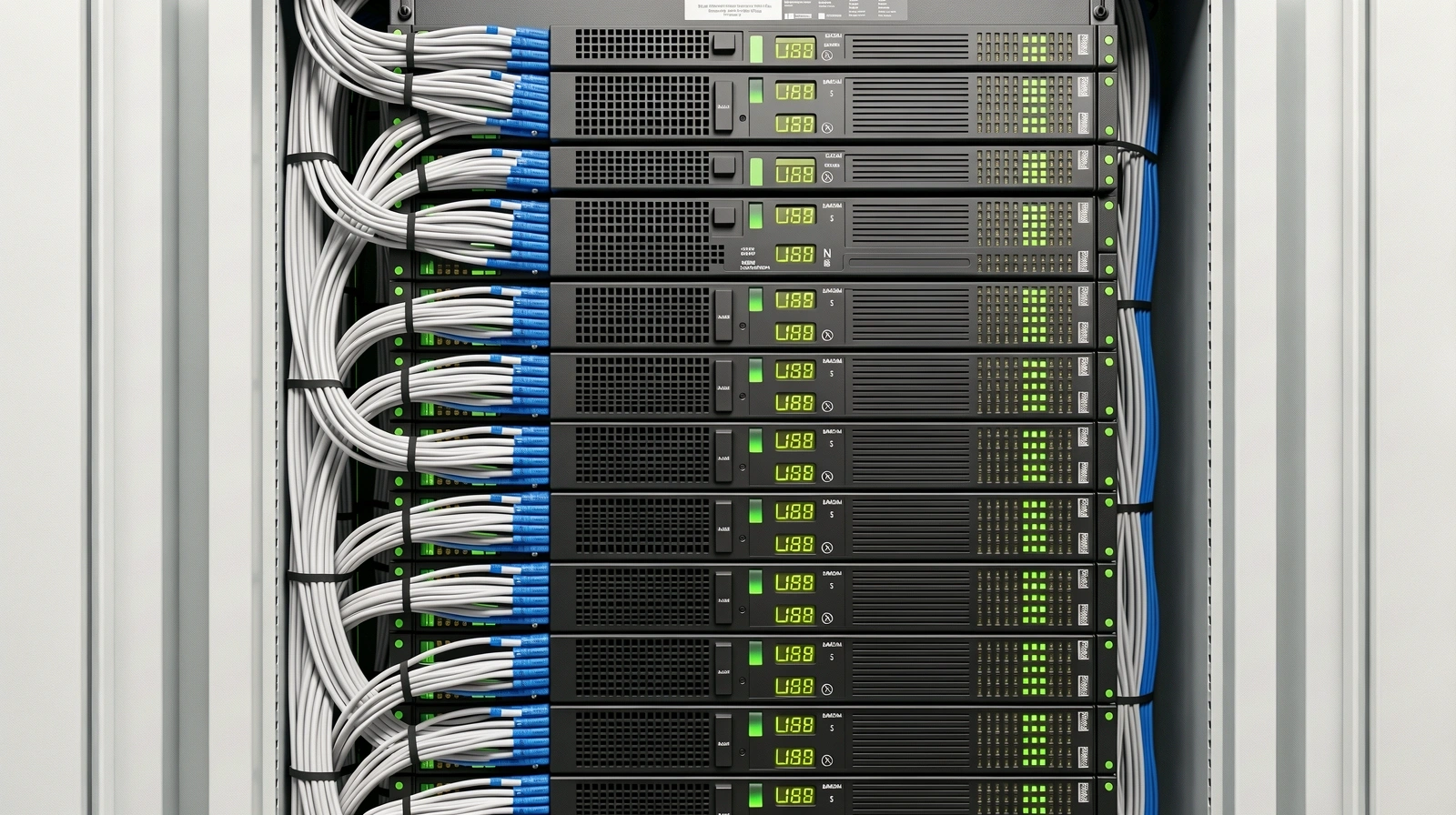
FIELD OBSERVATION // SYD-30
Physical Node Validation Environment
Infrastructure Standards
Southern Node Research participates in the development of open standards for node interoperability. We believe that for systems to survive long-term, they must adhere to rigorous, vendor-neutral protocols.
Hardware Compliance
Validation of chipsets and secure enclave environments to ensure node-level security starts at the silicon layer. We provide thermal and computational stress tests for all new systems.
Cryptographic Integrity
Standardizing the encryption methods used for inter-node communication. Our research ensures that data systems are future-proofed against evolving decryption capabilities.
Network Latency Benchmarks
Establishing consistent response time expectations across various ISPs in the Southern Hemisphere. Our benchmarks are used to optimize routing tables in complex node research.

Operational Stability in Distributed Environments
Data systems often fail not because of software bugs, but because of environmental variables that were not accounted for during the design phase.
- Auto-scaling node redundancy protocols
- Dynamic partition tolerance mechanisms
- Real-time throughput throttling during congestion
Last audit performed: March 2026.
Jurisdiction: New South Wales Standards Authority compliant.
Engage with Our Research Lab
Are you building infrastructure that requires deep technical validation? Our lab in Sydney provides detailed analysis on data systems and node research components.